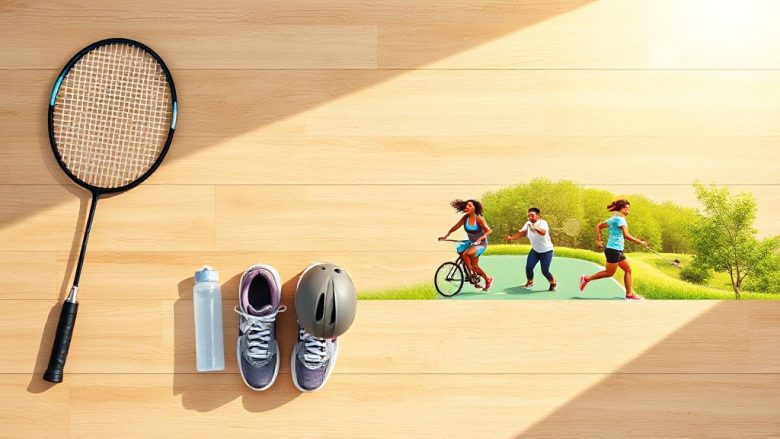
Ask ten people to name the best sport for getting fit and having a good time, and you’ll get ten different answers. That’s because “best” is deeply personal. The sport that transforms your body and keeps you coming back is the one that fits your personality, your schedule, and the way you like to move. A competitive swimmer might dread a five-kilometer run, while a casual cyclist would rather ride for hours than step into a pool.
So instead of chasing someone else’s ideal, start with a simple framework: fun first, fitness follows. If you genuinely enjoy an activity, you’ll do it more often. Consistency beats intensity every time, and the physical rewards—better stamina, stronger muscles, improved mood—arrive as a side effect of showing up. This guide explores five of the best sports for fitness and fun, each offering a different mix of social interaction, skill development, and cardiovascular work. No gym membership required.
Swimming: The Full-Body Workout That Feels Like Floating
Swimming is often called the perfect exercise, and for good reason. Water supports your joints while providing resistance in every direction, so you work your shoulders, back, core, and legs without the pounding that comes with running on pavement. A single session can burn hundreds of calories, but it rarely feels like punishment. The rhythmic breathing and muffled quiet of the pool create a meditative quality that many swimmers describe as therapy in motion.
What makes swimming particularly appealing for busy adults is its scalability. You can swim twenty minutes of easy laps on a stressful day or push through a structured interval workout when you have more energy. The learning curve is real—adult-onset swimmers often need a few lessons to master breathing and body position—but the payoff is a skill you can use for life. Pools are everywhere, and open-water swimming adds an adventurous twist for those who live near a lake or coast. If you want a sport that combines cardiovascular conditioning, strength, and mental calm, swimming deserves a top spot on your list.
Cycling: Adventure, Commuting, and Cardio in One
Cycling sneaks fitness into your day in ways that feel less like exercise and more like exploration. You can ride to work, pedal to the grocery store, or spend a weekend morning following a quiet country road just to see where it goes. The bike does most of the work in terms of impact—your knees and hips get a break compared to running—but your heart and legs still get a serious challenge, especially on hills.
One of cycling’s greatest strengths is its flexibility. A casual cruiser around the neighborhood burns calories and lifts your mood. A road bike with clip-in pedals turns the same activity into a high-intensity interval session. Mountain biking adds technical skill and upper-body engagement as you navigate roots and rocks. And because cycling is low-impact, it’s sustainable for people recovering from injuries or managing joint pain. The main investment is a decent bike and a helmet, but once you have those, the sport is essentially free. The sense of speed and freedom keeps many riders hooked for decades.
Badminton: Fast, Social, and Surprisingly Demanding
Badminton has a reputation problem. Many people remember it as a gentle backyard game played at family barbecues. Step onto a proper court, though, and you’ll discover a sport that demands explosive speed, sharp reflexes, and serious stamina. The shuttlecock can travel faster than a tennis ball off the racket, and rallies at an intermediate level leave most players gasping for air within minutes.
What makes badminton one of the best sports for fitness and fun is its social nature. It’s typically played as doubles, which means you’re constantly communicating, laughing, and strategizing with a partner. The equipment is affordable, the rules are easy to learn, and indoor courts are available year-round in most communities. A single hour of doubles badminton can burn as many calories as a moderate run, but the time flies because you’re focused on the game rather than the clock. It’s also a fantastic sport for improving agility and hand-eye coordination, which translates to better performance in almost any other physical activity.
Hiking: Fitness That Comes With a View
Hiking is walking with a purpose and a payoff. Whether you’re climbing a local hill or tackling a full-day mountain trail, the uneven terrain engages your glutes, calves, and core in ways that flat pavement never does. The cardiovascular benefits are substantial, especially on inclines, but the real magic is psychological. Being outdoors, surrounded by trees or open sky, reduces stress in a way that indoor workouts rarely match.
Hiking also scales beautifully with fitness level. A gentle nature loop might take an hour and feel like a stroll. A steep, rocky ascent to a summit can push your heart rate into the red zone and leave your legs trembling. You can hike alone for quiet reflection or join a group for companionship. The only real requirements are supportive shoes, water, and a willingness to get a little dirty. For people who hate the monotony of gym machines, hiking offers a constantly changing environment and a tangible sense of accomplishment when you reach the top.
Dance: The Workout You Forget Is a Workout
Dance is the great disguise of the fitness world. You show up to learn salsa, hip-hop, or ballroom, and somewhere between the steps you realize you’re sweating through your shirt. Dance classes combine cardio, strength, balance, and coordination into a single session, all set to music that makes you want to keep moving. The cognitive demand of learning choreography also gives your brain a workout, which is a bonus as we age.
The social aspect is a huge part of the appeal. Partner dances like swing or tango require connection and trust, while group classes build a sense of community. If structured classes aren’t your thing, you can dance at home to your own playlist—no one is watching, and you can be as silly as you like. Dance is particularly good for people who find traditional exercise boring. When the music is right and the steps start to click, an hour disappears without a single thought about calories or heart rate zones. That’s the definition of fun-first fitness.
How to Choose the Right Sport for You
With five strong options, the question becomes: which one fits your life right now? Start by being honest about what you enjoy. Do you crave solitude or social interaction? Are you drawn to water, wheels, trails, or music? Your answer points you toward the sport you’re most likely to stick with.
Next, consider your schedule and access. Swimming requires a pool, cycling requires a bike and safe roads, badminton requires a court and a partner, hiking requires a trail, and dance requires a class or a living room. Pick the option that removes the most barriers. If you have thirty minutes after work, a dance video or a quick bike ride might beat a trip to the pool. If your weekends are free, hiking or a long cycle gives you the biggest return on time invested.
Finally, give yourself permission to experiment. Try one sport for a month. If it feels like a chore, switch. The best sport for fitness and fun is the one you’ll actually do again next week. Variety is fine, too—many people cycle in summer, swim in winter, and hike in between. The goal isn’t loyalty to a single activity; it’s building a life where movement feels like a reward rather than a punishment.
Frequently Asked Questions
What is the best sport for overall fitness and fun?
There’s no single winner. Swimming offers full-body conditioning with zero joint impact, cycling builds leg strength and endurance, badminton improves agility and reflexes, hiking combines cardio with time outdoors, and dance trains coordination and rhythm. The best choice is the one you enjoy enough to do regularly.
Which sport burns the most calories?
Calorie burn depends on intensity, duration, and your body weight. Swimming, cycling, and badminton can all burn several hundred calories per hour at a moderate to vigorous pace. Hiking on steep terrain and high-energy dance classes are similarly effective. Consistency matters more than picking the absolute highest-burn activity.
Can I start these sports as a complete beginner?
Absolutely. All five sports welcome beginners. Swimming may require a few lessons to feel comfortable, and badminton benefits from learning proper grip and footwork, but cycling, hiking, and dance are easy to start at a gentle pace. Begin slowly, listen to your body, and increase intensity as your fitness improves.
Do I need expensive equipment?
Not at all. Hiking needs only supportive shoes and a water bottle. Dance can start with bare feet and a YouTube video. Badminton requires a racket and shuttlecock, which are inexpensive. Cycling has a higher upfront cost for a bike and helmet, and swimming needs a swimsuit and goggles. Compared to a gym membership, all five are affordable long-term.